

African and American Leaders Convene at the Geography 2050 Symposium to Explore the African Continent’s Future
Kwathu Kollective | November 2026
The American Geographical Society convened Geography 2050: Africa Shaping Tomorrow on November 19–20, 2026, at the Schomburg Center for Research in Black Culture in Harlem, New York, bringing together researchers, entrepreneurs, scientists, policymakers, and institutional leaders to examine the forces shaping Africa’s future.
The two-day symposium explored a wide range of interconnected issues, including food security, agricultural transformation, public health, demographic change, climate resilience, geospatial intelligence, technological innovation, and development financing. Discussions considered how African countries and institutions might respond to emerging challenges while developing the capabilities required to shape their economic and social futures.
The gathering formed part of the American Geographical Society’s annual Geography 2050 initiative, which brings geographical perspectives to long-term global challenges.
A Historic Setting for Africa’s Future
The choice of the Schomburg Center, a research institution of the New York Public Library, carried particular historical significance.
Founded through the development of the Division of Negro Literature, History and Prints in 1925, the institution was profoundly shaped by historian and collector Arturo Alfonso Schomburg, whose work challenged the exclusion of African and diasporic contributions from dominant historical narratives.
In 1926, the New York Public Library acquired Schomburg’s collection with financial support from the Carnegie Corporation. The acquisition helped establish one of the world’s most significant research collections dedicated to Black history, culture, and intellectual achievement.
A century later, the institution welcomed conversations focused on Africa’s future, connecting the preservation of historical knowledge with contemporary questions concerning scientific advancement, institutional development, and economic agency.
Food Systems, Science and African Enterprise
Among the symposium’s central discussions was The Stakes of 2050: What Africa’s Food Leaders Know That Others Don’t, featuring Dr. Agnes Kalibata and Dr. Ndidi Okonkwo Nwuneli, moderated by Dr. Catherine Nakalembe.
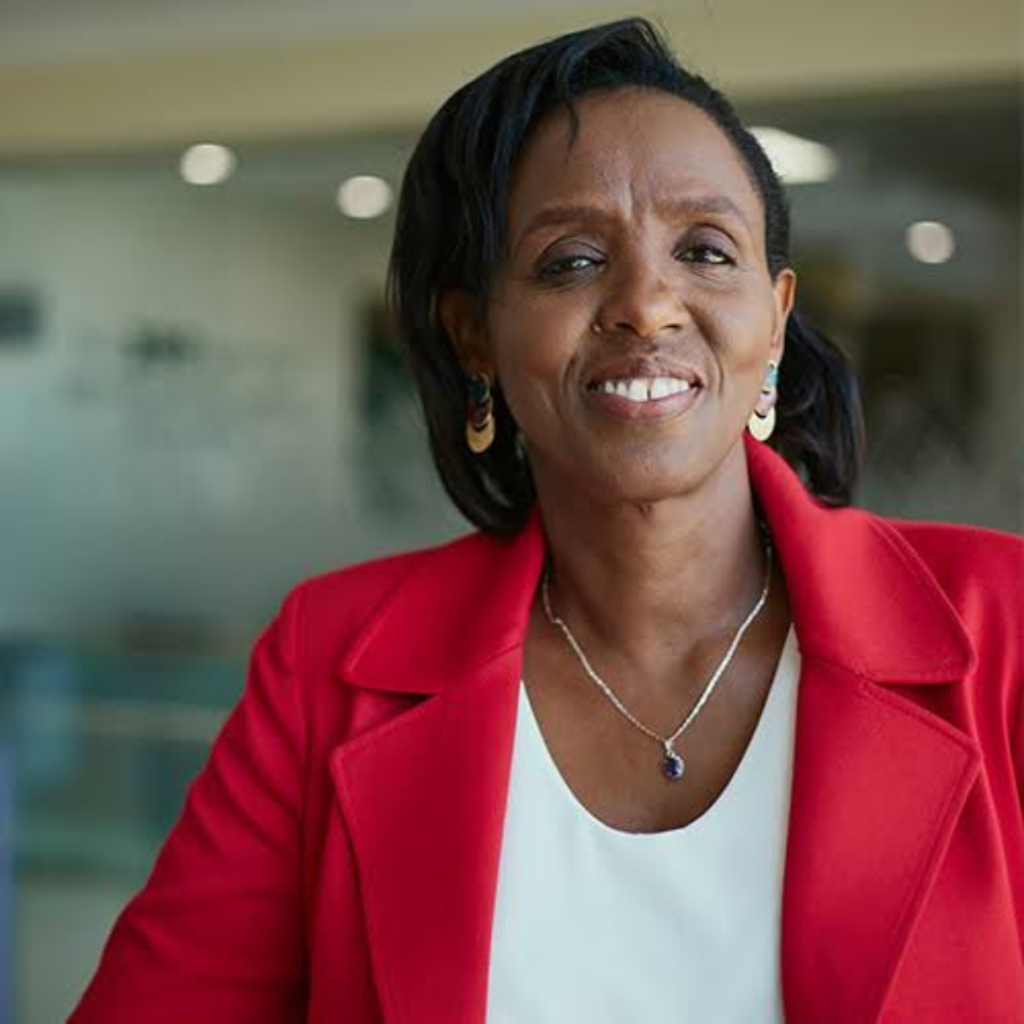
Dr. Kalibata, a former Rwandan Minister of Agriculture and former president of AGRA, has worked extensively on agricultural transformation, food security, and the development of institutions supporting African agriculture. She also served as the United Nations Secretary-General’s Special Envoy for the 2021 Food Systems Summit.
Dr. Nakalembe, a geospatial scientist at the University of Maryland, leads research applying satellite observations, artificial intelligence, and geographical analysis to agricultural monitoring and food-security decision-making. Through her work with NASA Harvest and the Xylem Lab, she has supported initiatives designed to strengthen the use of scientific information within African agricultural institutions.
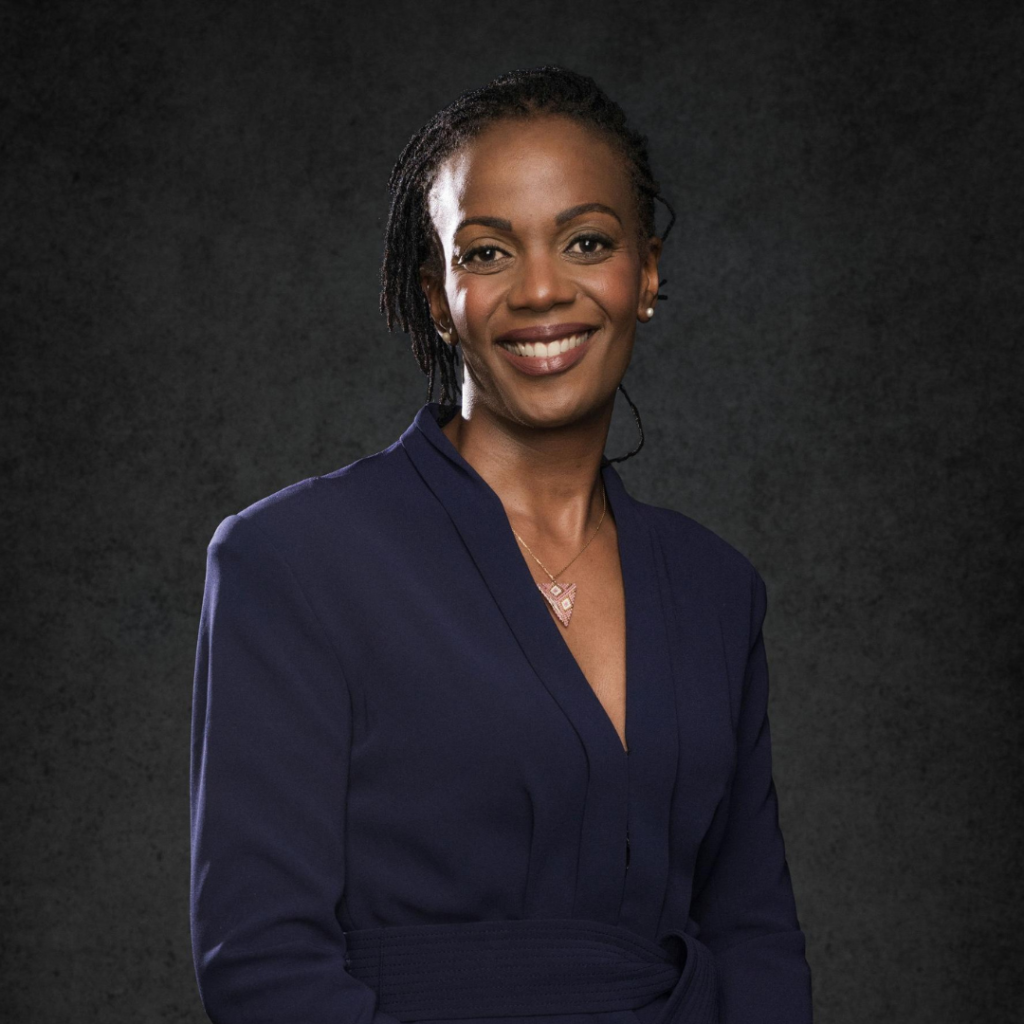

Dr. Nwuneli is an entrepreneur, author, and development leader serving as Executive Chair and co-founder of Sahel Consulting and a trustee of The Rockefeller Foundation. Her work includes the establishment of organizations such as AACE Foods, LEAP Africa, and African Food Changemakers. Through entrepreneurship, research, and institutional leadership, she has contributed to efforts to strengthen agricultural value chains, food enterprises, and economic opportunities across the continent.
Together, their areas of expertise highlighted the importance of connecting agricultural production with research, enterprise development, public policy, and the financial systems required to support lasting transformation.
Capacity, Complexity and Community
Another important discussion, Capacity, Complexity, and Community: Building Africa’s Food Systems at Scale, brought together Nathalia Arcencio de Marchi dos Santos of The Rockefeller Foundation and Dr. Nadait Gebremedhen, founder and CEO of Hagush, in a conversation moderated by Dr. Niwaeli Kimambo.
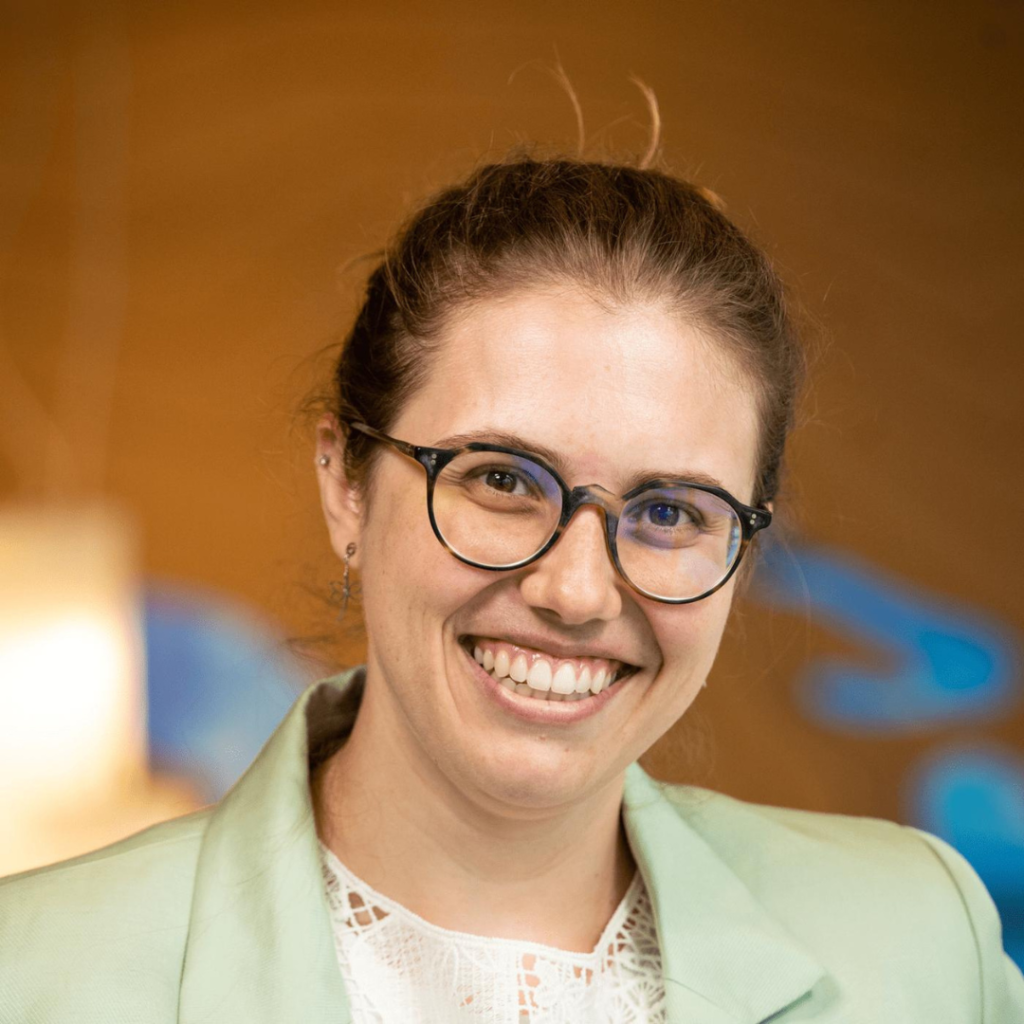
Ms. Nathalia Dos Santos works through The Rockefeller Foundation’s Connected Leaders Platform, supporting leadership development, institutional networks, and collaboration among individuals and organizations addressing complex development challenges. Her work emphasizes the importance of relationships and collective action in strengthening the capacity of institutions and emerging leaders.
Dr. Gebremedhen is a physician and social entrepreneur whose work focuses on digital access, community development, and the systems through which organizations obtain financing and support. Through Hagush and her involvement in Shifting the Funding Paradigm, she has contributed to initiatives examining the accessibility and effectiveness of development-financing processes.
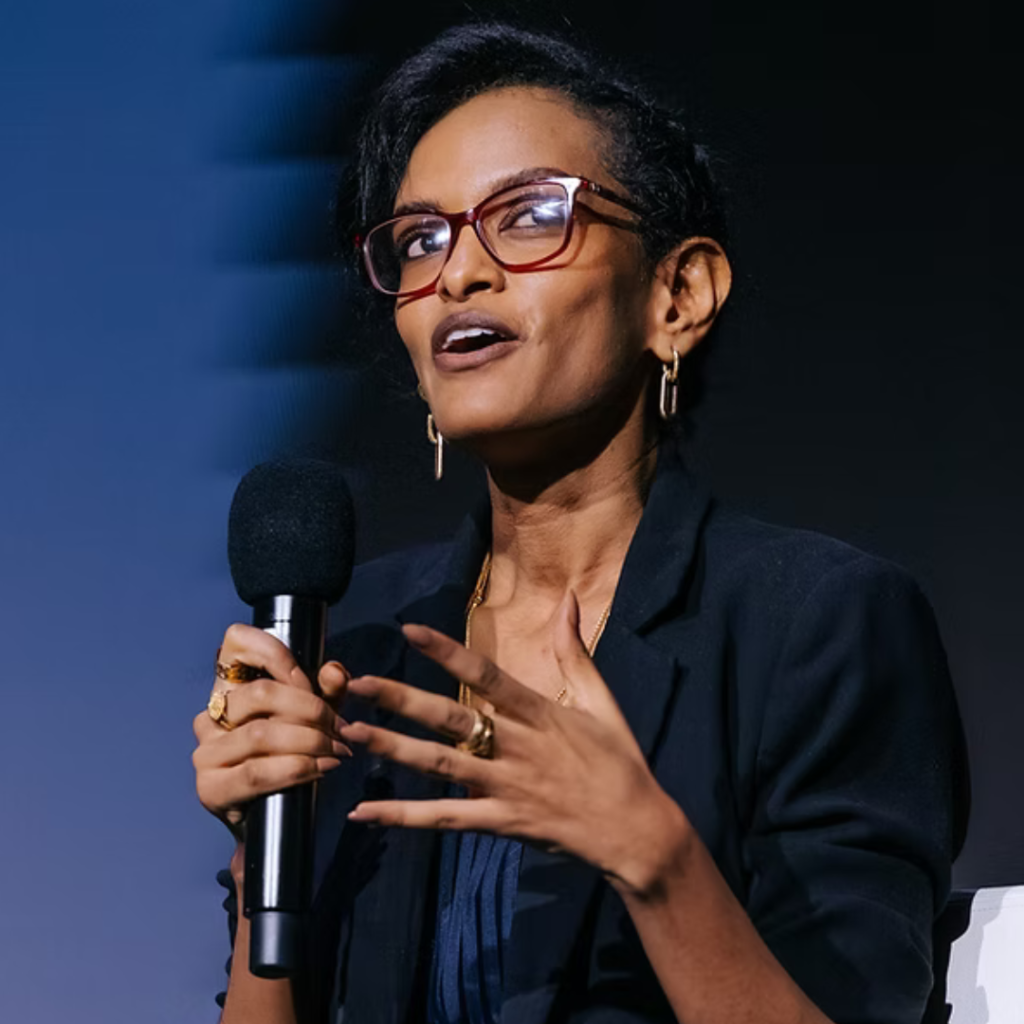
The session brought institutional leadership, digital inclusion, and community-centered innovation into the wider conversation about the systems needed to support Africa’s development.
Financing Africa’s Ambitions
Development financing was a central focus of Friday’s programme.
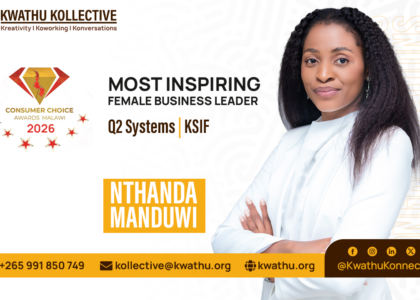
The panel Investing in Africa’s Tomorrow: Capital, Innovation and African Ambition, moderated by Hiba Said, featured Dr. Nnamdi Igbokwe of Columbia University and Nthanda Manduwi, founder of Q2 Systems and the Kwathu Kollective.
The conversation explored the mobilization of African institutional capital, the role of domestic financial institutions, the importance of African ownership, and the ways investment risk is assessed and communicated.
Discussions also considered the financing requirements of emerging industries, including artificial intelligence, robotics, agricultural technology, and advanced manufacturing.
The panel highlighted the importance of examining both the availability of financial resources and the productive capabilities those resources are intended to develop. It also raised questions about how public institutions, development-finance organizations, philanthropy, and private investors can support enterprises operating at different stages of technological and commercial development.
Geography, Leadership and the Future
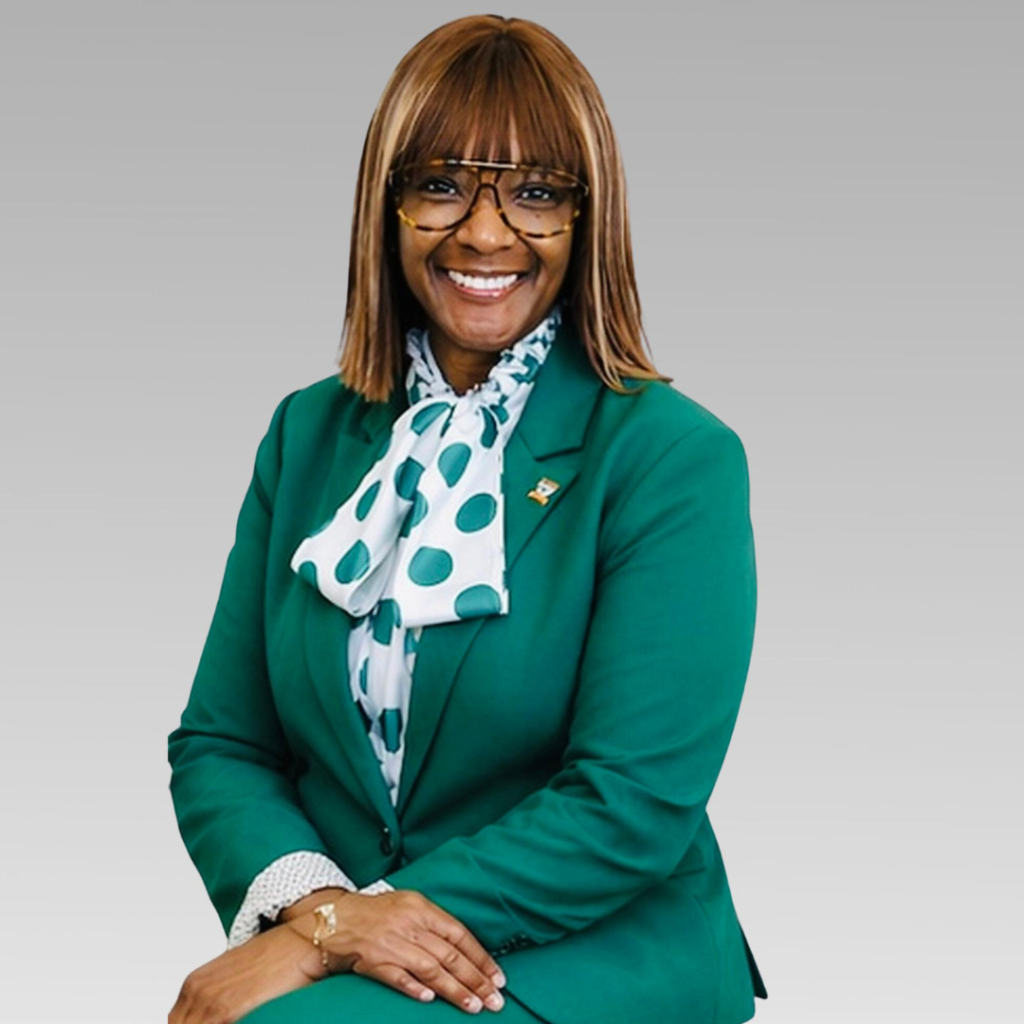
Dr. Demetrice “Dee” Jordan, a researcher and instructor at Harvard Medical School, played a significant role in shaping Geography 2050 as chair of the symposium’s planning committee.
Her research examines the relationships between geography, environmental conditions, infectious diseases, and public health. She has also contributed to initiatives expanding opportunities within geographical education and documenting the contributions of Black geographers.
Under the symposium’s wider leadership, Geography 2050 brought together disciplines that are frequently examined separately, demonstrating the importance of understanding development through the relationships between environmental conditions, population dynamics, economic institutions, technological systems, and public policy.
Across the two days, participants examined the continent’s expanding demographic significance, the transformation of agricultural and urban systems, the application of scientific knowledge, and the financial and institutional arrangements that will influence Africa’s development over the coming decades.
The discussions underscored the importance of African expertise and institutional leadership in defining development priorities, expanding productive capacity, and strengthening the systems through which research and innovation contribute to economic opportunity.
As the continent approaches 2050, the symposium provided an important opportunity to consider how present investments in people, institutions, scientific capabilities, and enterprises will shape the opportunities available to future generations.
Kwathu Kollective recognizes the American Geographical Society, the Geography 2050 organizing committee, participating institutions, and the speakers whose work continues to advance critical conversations about Africa’s future.
The gathering at the Schomburg Center offered a timely reminder of the relationship between preserving Africa’s intellectual inheritance and investing in the knowledge, institutions, and productive capabilities that will shape its future.
Work With Us
Want to partner on or fund one of our programmes / initiatives? We are always open to collaborations and partnerships. Contact us via kollective@kwathu.org.
To keep up with the work of the Kwathu Kollective, our initiatives and our projects, follow us on socia media:
KWATHU KOLLECTIVE SOCIAL MEDIA